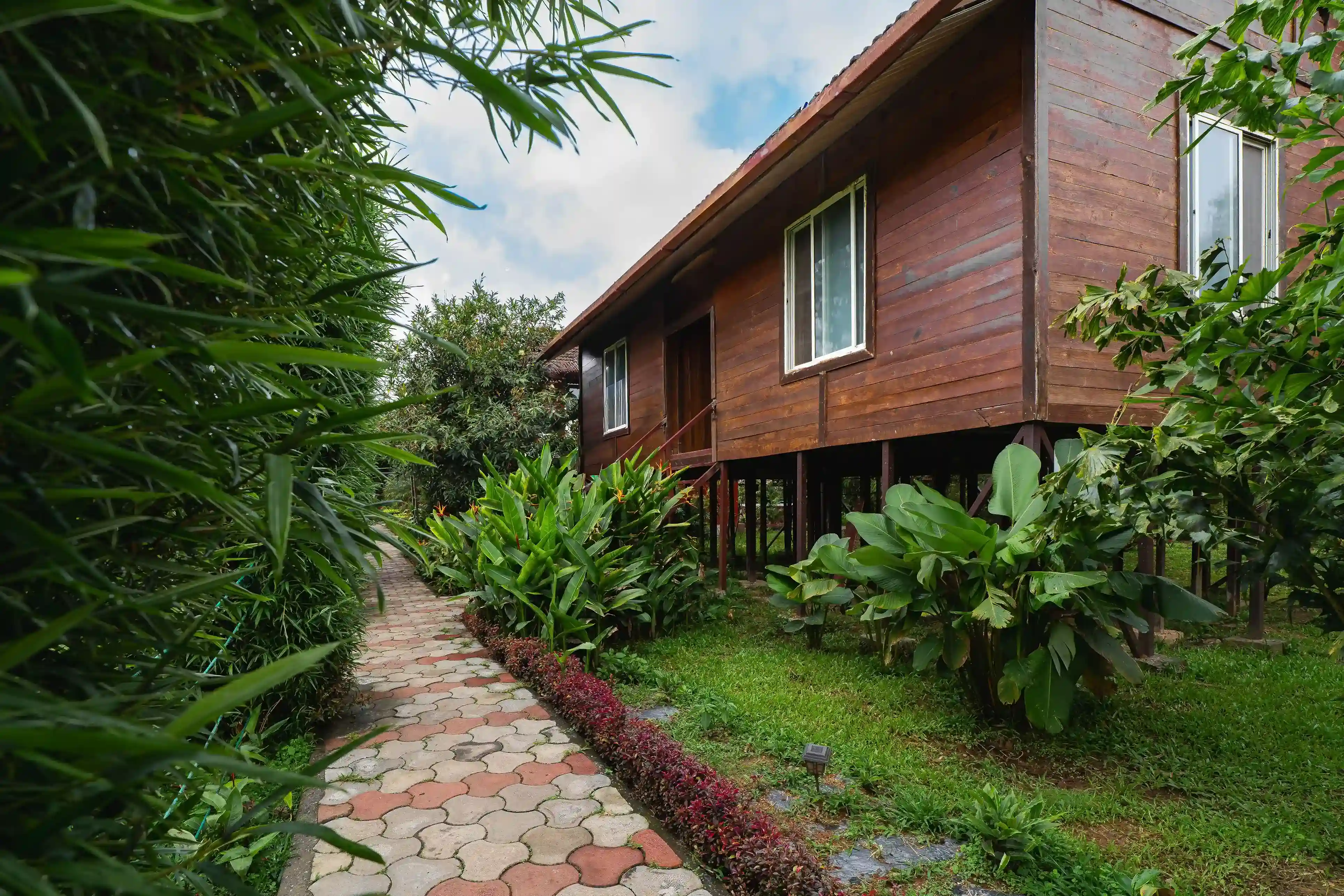
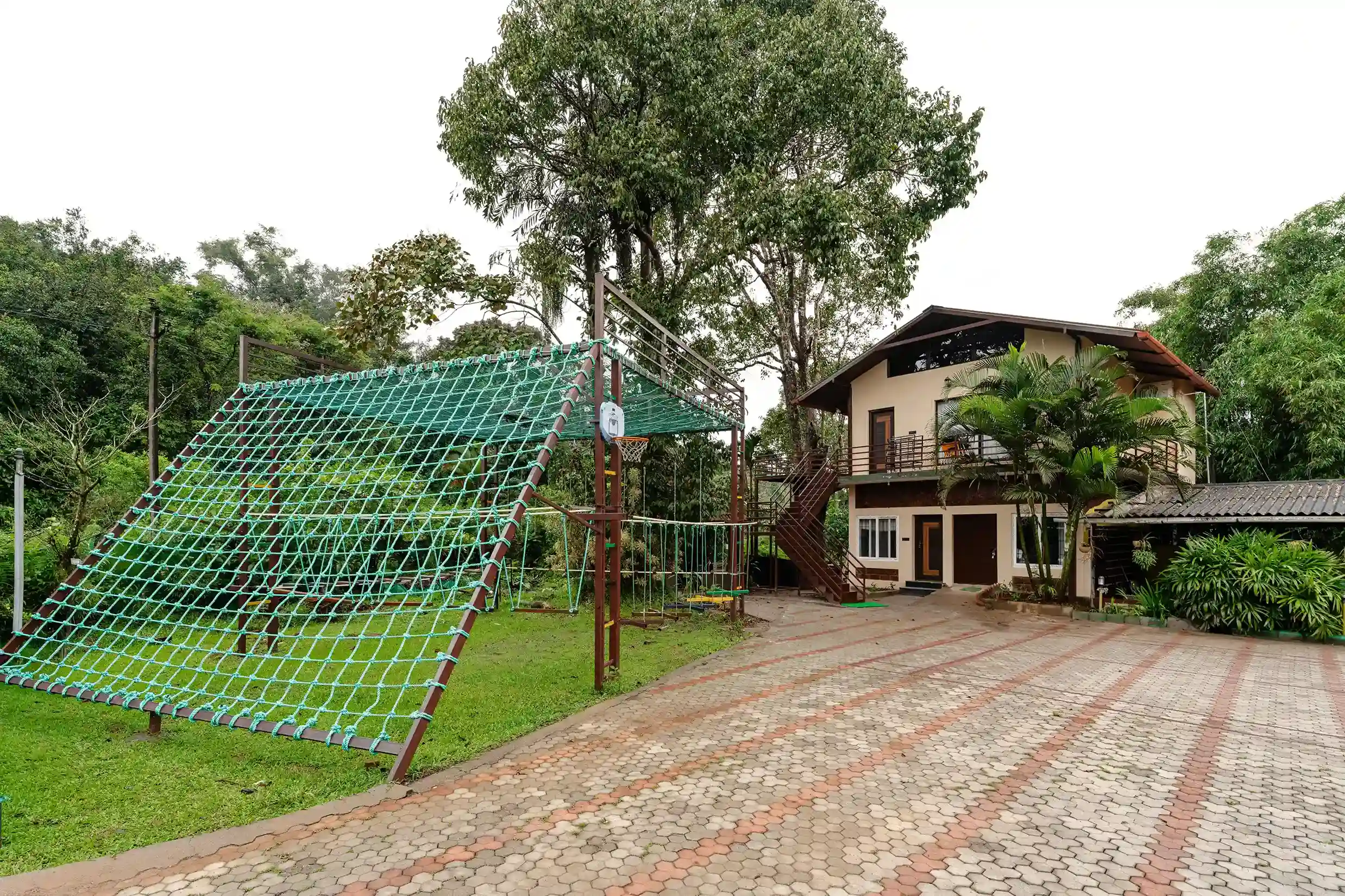
Stand still on an estate path at six in the morning and the place changes. What sounded like general birdsong separates into distinct calls, something heavy shifts in the undergrowth thirty metres off, and a Malabar giant squirrel launches itself between two shade trees overhead. Sakleshpur wildlife rarely arrives on demand, but it turns up constantly for anyone willing to stop walking and start listening. Streamedge Sakleshpur provides a convenient base for travellers who want to explore the natural surroundings, while Streamedge Sakleshpur can be considered when planning a comfortable stay alongside your Sakleshpur wildlife experience.
This isn't a national park with jeep tracks and guaranteed sightings. It's a working landscape of coffee, pepper, remnant forest and high grassland, wedged into one of the richest biodiversity zones in the country. Knowing what lives here, and when it shows itself, is the difference between a pleasant walk and a genuinely memorable one.

Why Sakleshpur Wildlife Is Richer Than It Looks
The region sits in the central Western Ghats, a belt known for species found nowhere else on earth. Elevation shifts sharply across short distances, rainfall is heavy, and the result is a patchwork of habitats crammed into a small area.
What helps is the plantation system itself. Traditional shade-grown coffee keeps a canopy of native trees standing, so estates work as rough corridors between forest fragments rather than dead zones. That's why so much Sakleshpur wildlife turns up in plain sight: hornbills over a coffee block, a whistling thrush calling from the verandah.
The Habitats: Forests Near Sakleshpur and What Lives in Them
Evergreen and semi-evergreen patches
The wetter valleys hold tall evergreen forest with dense understorey, the stronghold for hornbills, langurs and much of the amphibian diversity. The larger forests near Sakleshpur connect toward the Bisle and Kabbinale belt, contiguous with protected areas further west.
Shola grassland on the ridges
Higher up, on peaks like Jenukal Gudda, you get open grassland with pockets of stunted forest in the folds. Different species entirely: raptors overhead, grassland birds, and the occasional gaur out in the open at first light.
Shade-grown coffee and pepper
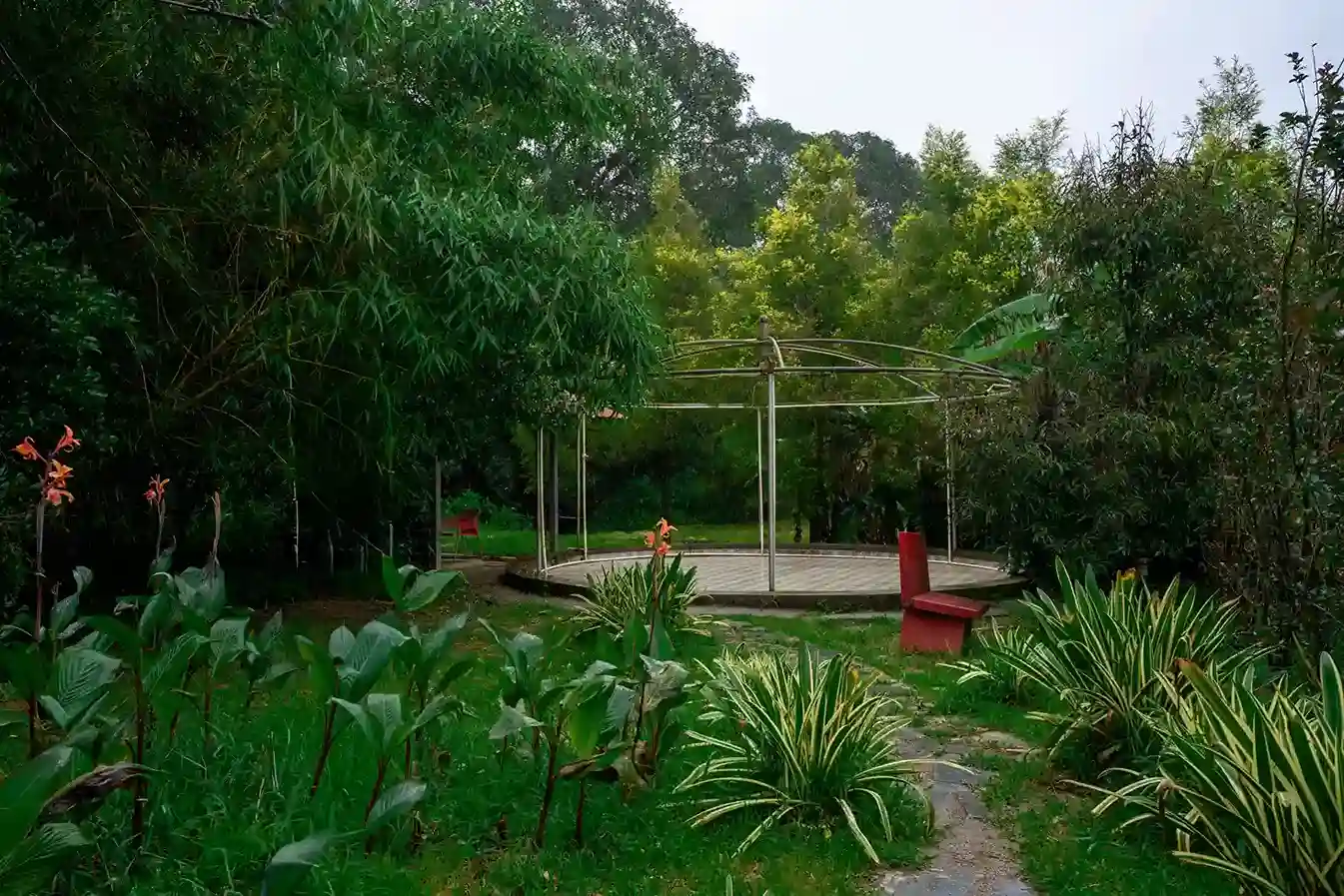
Estates are where most visitors actually see things. Silver oak and native shade trees, water in the drains, and fruiting plants year-round make them productive for birds, squirrels, civets and snakes.
Mammals, Reptiles and the Monsoon Show
Set expectations realistically. Much of the wildlife in Sakleshpur is heard rather than seen, and big mammal sightings come down to luck rather than planning.
- Commonly seen: Malabar giant squirrel, bonnet macaque, mongoose, and plenty of signs of wild boar.
- Seen with patience or luck: gaur, sambar, barking deer, Nilgiri langur in the deeper forest patches.
- Rare and best not sought out: elephants moving through, leopard. Both are present in the wider landscape and both are reasons to walk with a local guide.
Reptiles and amphibians are where this landscape genuinely outperforms. Monsoon brings out Malabar gliding frogs, bush frogs calling from every wet leaf, and caecilians in the soil. King cobra and Malabar pit viper are both part of the picture, which is one more argument for closed shoes and a torch after dark. Leeches, for what it's worth, are also part of the ecosystem, and they will find you between June and September.
Birdwatching in Sakleshpur: What to Look For
Birdwatching in Sakleshpur is the most reliable wildlife activity on offer, because you don't need luck so much as an early alarm.
Residents worth the early start
Malabar grey hornbill, great hornbill in taller forest, Malabar whistling thrush along streams, greater racket-tailed drongo, white-cheeked barbet, crimson-backed sunbird, Malabar parakeet and Asian fairy bluebird all turn up regularly. The Sri Lanka frogmouth is a night bird local guides often know how to find.
Seasonal visitors
Winter brings Indian pitta and a range of migrants into the estate undergrowth, roughly October through March. Monsoon has its own specialists, including the oriental dwarf kingfisher, which breeds in the wet months and is a genuine highlight for anyone willing to get soaked.
Carry binoculars in the 8x42 range if you have them. Dawn and the hour before dusk are worth ten times the middle of the day.
Best Season for Sakleshpur Wildlife
| Season | What's active | Best for |
| June to September | Frogs, fungi, monsoon breeders, dense green | Amphibians, macro photography, solitude |
| October to December | Migrants arriving, clear mornings, butterfly movement | Birding, general nature walks |
| January to March | Coffee blossom, active bird calls, dry trails | Comfortable walking, families |
| April to May | Fruiting trees draw hornbills, hot afternoons | Early mornings only |
If you want one answer for Sakleshpur wildlife: October to February. Trails are walkable, migrants are in, mornings are clear, and discomfort is at its lowest. Nothing shuts down in any month here; what changes is which group is active. Monsoon is the specialist's season and rewards anyone with rain gear and patience.
Nature Experiences in Sakleshpur Worth Planning
The best nature experiences in Sakleshpur are quiet and unstructured rather than packaged.
- A guided estate walk at dawn. Two hours, minimal effort, the highest hit rate for Sakleshpur wildlife of any activity here.
- A night walk with torches. Frogs, geckos, civets and moths. Go with someone who knows which snakes matter.
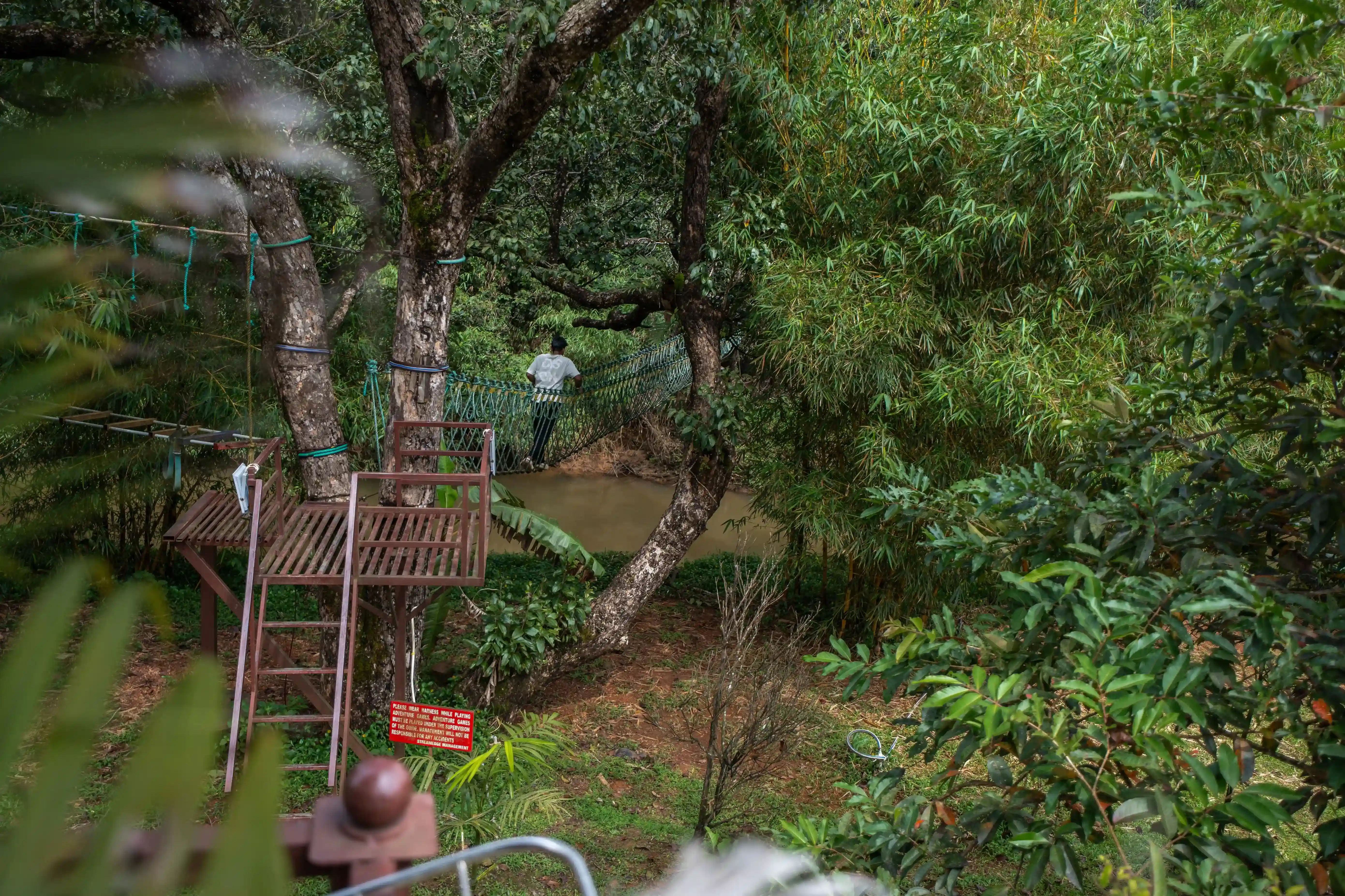
- Stream and waterfall trails. Whistling thrushes, dippers in season, and dragonflies through the dry months.
- Butterfly watching. Post-monsoon movement across these hills is spectacular and badly under-appreciated.
- A ridge climb before sunrise. Raptors, grassland species and the chance of gaur in the open.
None of these need special fitness. They do need early starts, which is the hardest part for most weekend visitors from Bengaluru.
Watching Sakleshpur Wildlife Responsibly
Small choices matter in a landscape where people and animals share the same paths.
- Keep distance from elephants and gaur. If you see fresh dung or broken vegetation, turn around.
- Don't use call playback repeatedly to draw birds in, especially during breeding season.
- Never feed monkeys or squirrels. It changes behaviour permanently.
- Drive slowly at night on estate and ghat roads. Most roadkill here is avoidable.
- Carry your waste out, and skip the loudspeaker.
Local guides know where animals move and where they raise young. Following their lead protects the wildlife in Sakleshpur far better than any signboard.
Where to Stay: Nature Resorts in Sakleshpur
The nature resorts in Sakleshpur that actually deliver are the ones with tree cover rather than a manicured lawn. Ask whether the stay backs onto forest or estate, whether resident guides run early morning walks, and whether floodlights go off at night. Bright perimeter lighting is the quickest way to push Sakleshpur wildlife away from a property.
Indicative tariffs run around ₹2,500 to ₹4,500 a night for estate homestays, ₹5,000 to ₹9,000 for mid-range resorts with activities included, and higher for private cottages, varying with season, meal plan and group size. Properties that lean into nature experiences in Sakleshpur often bundle guided walks into the tariff, so compare what's included rather than the headline rate alone.
Frequently Asked Questions
1. What Sakleshpur wildlife can you realistically expect to see?
On a normal two-day visit, expect Malabar giant squirrels, a good range of forest birds, plenty of frogs in the wet season, and possibly monkeys or a mongoose. Gaur and deer are occasional. Elephants and leopards exist in the landscape but are rare sightings, and should be treated as such rather than a goal.
2. When is the best time for birdwatching in Sakleshpur?
October to March gives the strongest combination of resident species and winter migrants, with clear mornings and comfortable temperatures. Start at first light and finish by nine, then head out again an hour before sunset. Monsoon has its own specialities, including breeding kingfishers, but visibility and comfort both drop considerably.
3. Do you need a guide for Sakleshpur wildlife walks?
For estate walks around a property, usually not. For forest edges, night walks or ridge climbs, yes. A local guide knows current elephant movement, which paths are safe, and where specific birds are nesting. Most stays around Sakleshpur can arrange one, and it changes what you actually see.
4. Is Sakleshpur wildlife watching suitable for children?
Very much so, provided you keep the walks short and the expectations flexible. Frogs, squirrels, butterflies and stream life hold attention far better than distant mammal sightings. Dry season visits between December and February are easiest, with firmer paths, fewer leeches and shorter, more comfortable morning outings.
Conclusion
Sakleshpur wildlife rewards slowness. The visitors who see the most aren't the ones covering the most ground, they're the ones sitting on a verandah at dawn with binoculars and coffee, or walking the same estate track three mornings running. Pick a season that matches what you want, whether that's October to February for birds and easy walking or the monsoon months for frogs and fungi. Book a stay with real tree cover, walk with someone local, and keep your distance from anything large.
Planning a nature-focused Sakleshpur getaway? Contact Streamedge Sakleshpur to enquire about accommodation and plan a stay that fits your wildlife and nature itinerary. You can also follow Streamedge Sakleshpur on Instagram for more Sakleshpur travel inspiration, resort experiences and seasonal updates. Streamedge Sakleshpur can be a comfortable base for travellers looking to experience the region's forests, birdlife and natural surroundings.