Sakleshpur After Monsoon: What Changes and Why Visit During This Season?
The first properly clear morning of October in the Hassan hills feels like a small event. Clouds that have sat on the ridges since June finally lift, revealing blue hill ranges layered in the distance from a coffee estate track. That view simply doesn’t exist in July. Sakleshpur after monsoon feels like a different destination, and the contrast can surprise visitors who know only one season.
If your last trip was a wet weekend spent watching rain from a verandah, the post-monsoon months may be worth a second look. Trails open up, outdoor plans become easier, and Streamedge Sakleshpur can help you plan a stay for the season. Here’s what changes after the rains, with local insight from Streamedge Sakleshpur.
What Actually Changes in Sakleshpur After Monsoon
The southwest monsoon withdraws from this part of the Western Ghats through late September and October, though it rarely ends on a neat date. What follows is a genuine shoulder season, and four things shift at once.
Ground, Trails and Leeches
The ground firms up. Estate tracks that were red slurry in August become walkable, and the leeches that make monsoon trekking a chore mostly disappear within a few weeks of the rain stopping. Streams keep running, so waterfalls still have volume, but the flow is manageable rather than dangerous. And the light changes completely. Photographers will tell you the October and November mornings are the reason to come back to Sakleshpur after monsoon.
Light, Harvest and Working Estates
Sakleshpur after monsoon also lines up with the coffee cycle. Harvest activity ramps up on arabica estates from late November, so a visit in this window shows you working land rather than dormant land, with pepper vines being stripped and drying yards filling up.
Sakleshpur Weather After Monsoon
Expect cool mornings, warm afternoons and genuinely cold nights by December. Typical Sakleshpur weather after monsoon runs roughly 14 to 18 degrees at dawn and 26 to 29 by mid-afternoon, though the hills hold their own microclimates, and a valley property can feel several degrees cooler than town.
| Month | Rain | Mornings | Best for |
| October | Occasional heavy showers | Misty, clearing by 9 am | Green landscapes, waterfalls |
| November | Mostly dry, brief spells | Crisp, low fog | Trekking, long drives |
| December | Dry | Cold, clear | Views, bonfires, family trips |
| Early January | Dry, dusty later | Coldest | Coffee blossom prep, quiet |
Northeast monsoon showers can still reach this region in October, so don’t assume a rain-free trip that early. Carry a light jacket regardless of month; the evening drop catches people out.
Why Sakleshpur Post-Monsoon Travel Suits More Visitors
Rainy-season trips are atmospheric but restrictive. Sakleshpur post-monsoon travel opens up the itinerary that most groups actually want: a viewpoint that has a view, a trail that isn’t a mudslide, a bonfire that doesn’t get rained out, and a drive that doesn’t need fog lights at 4 pm.
Sakleshpur after monsoon also suits mixed groups. Older parents and small children handle firm paths and mild weather far better than three days of wet. For a family reunion, an offsite or a kitty gathering, this window removes most of what goes wrong.
Places to Visit After Monsoon Around Sakleshpur
The list of places to visit after monsoon is longer than the wet-season one, because visibility and access both improve. Sakleshpur after monsoon puts viewpoints back on the table.
Bisle Ghat and Reserve Forest Viewpoints
Bisle finally earns its reputation once the cloud clears. Early morning, before roughly 9 am, you’ll often get layered ridgelines running towards Kumara Parvatha. Go early. By noon the haze builds.
Manjarabad Fort
The star-shaped fort is a ten-minute climb, and the steps are far safer now that moss has dried. From the top you get a clean 360-degree sweep, which in monsoon is usually just white.
Waterfalls Worth the Detour
Falls in the region hold decent flow into December without the danger of peak flood. October is the balance point: strong water, safe approach. By late January many shrink to a trickle, so time it accordingly.
What Becomes Possible Again in Sakleshpur After Monsoon
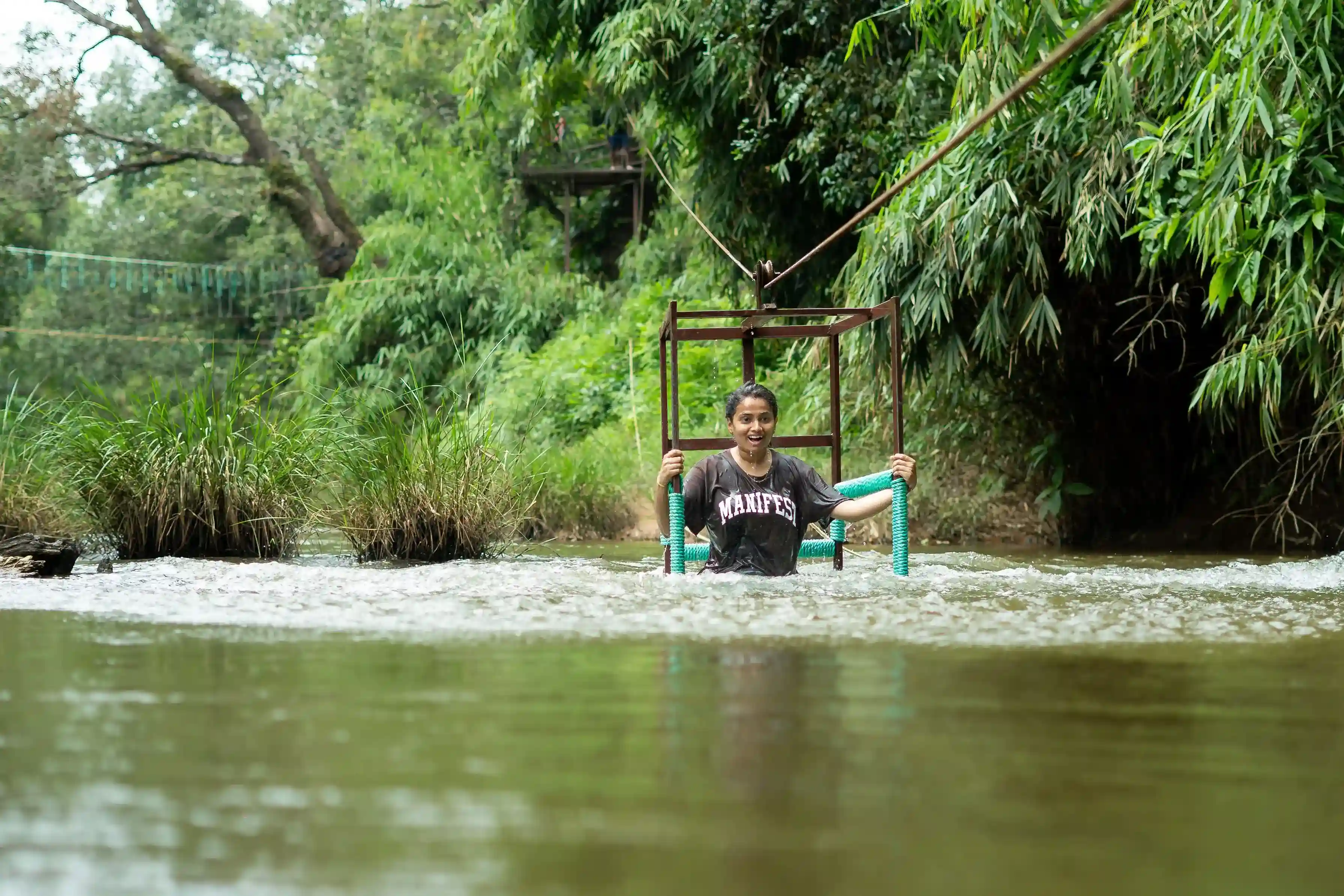
Some experiences are effectively closed in heavy rain and reopen once the water drops.
• Longer estate and forest walks, including full-day routes that need dry footing
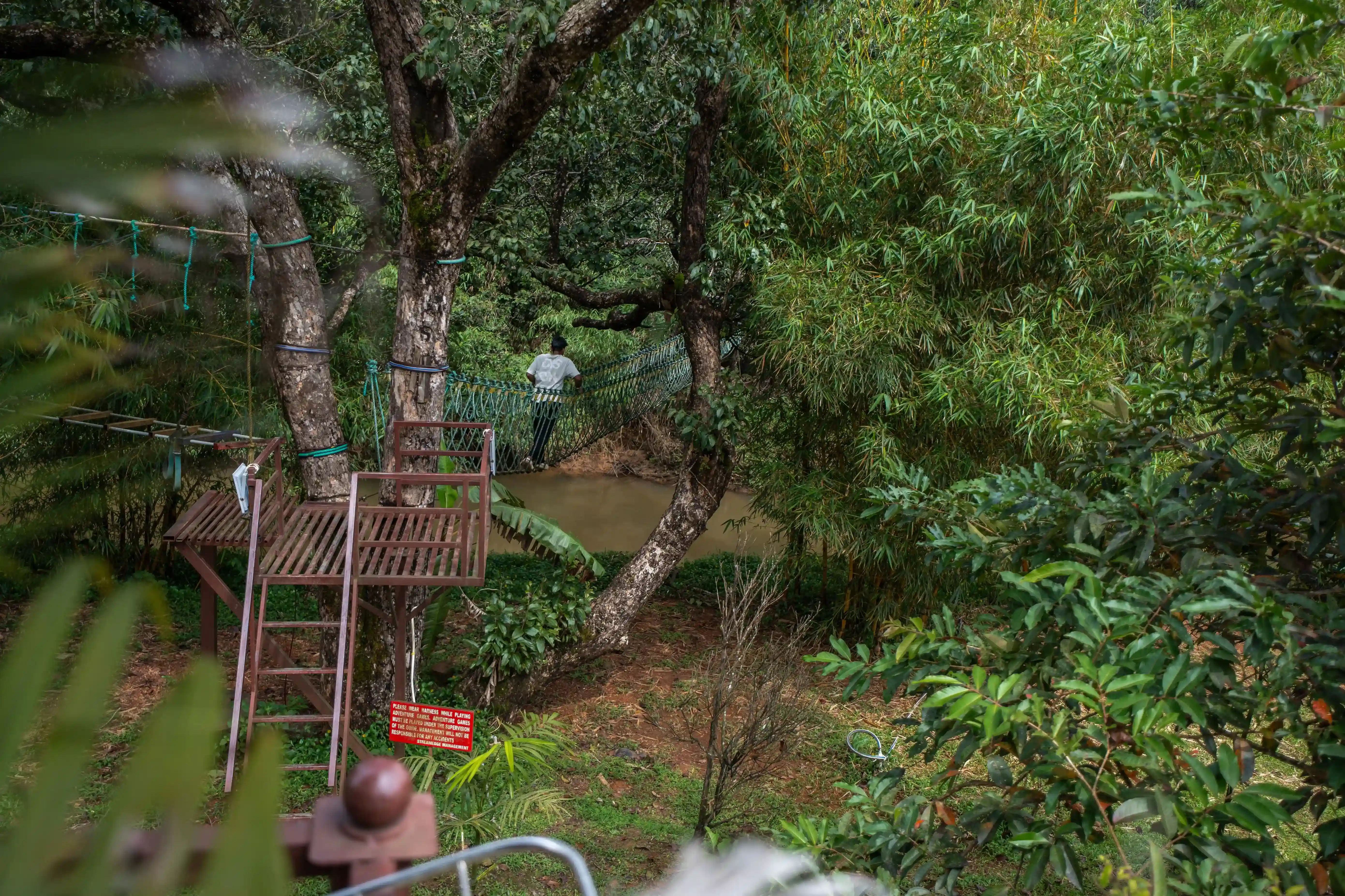
• Rail-line and Green Route treks, subject to permissions and a licensed local guide, since this is active railway property
• Camping and outdoor dining, which no property can promise in July
• Sunrise drives to viewpoints, worth doing only when you’ll actually see something
• Night skies, which are startlingly clear on a moonless November night away from town lights
Two deserve caution. Trek access rules change without notice, and any route near railway property must be arranged through people who know the current position. Waterfall bases also stay slippery long after the rain ends. People get hurt in October because they assume the rocks are dry.
Is This the Best Season to Visit Sakleshpur?
For most visitors, yes. If you ask ten regulars for the best season to visit Sakleshpur, most will say November through early January, with October as the green-and-dramatic alternative. The choice really comes down to what you’re optimising for.
1. Want maximum green and don’t mind mud? Late September to October.
2. Want views, trekking and comfortable weather? November to December.
3. Want cold mornings, bonfires and holiday atmosphere? Late December.
4. Want coffee blossom, which follows the first spring showers? Late February or March, a different season entirely.
The honest downside of Sakleshpur after monsoon is company. Weekends fill early, roads to popular viewpoints get busy, and rates climb steadily towards the December peak.
Choosing Nature Stays in Sakleshpur
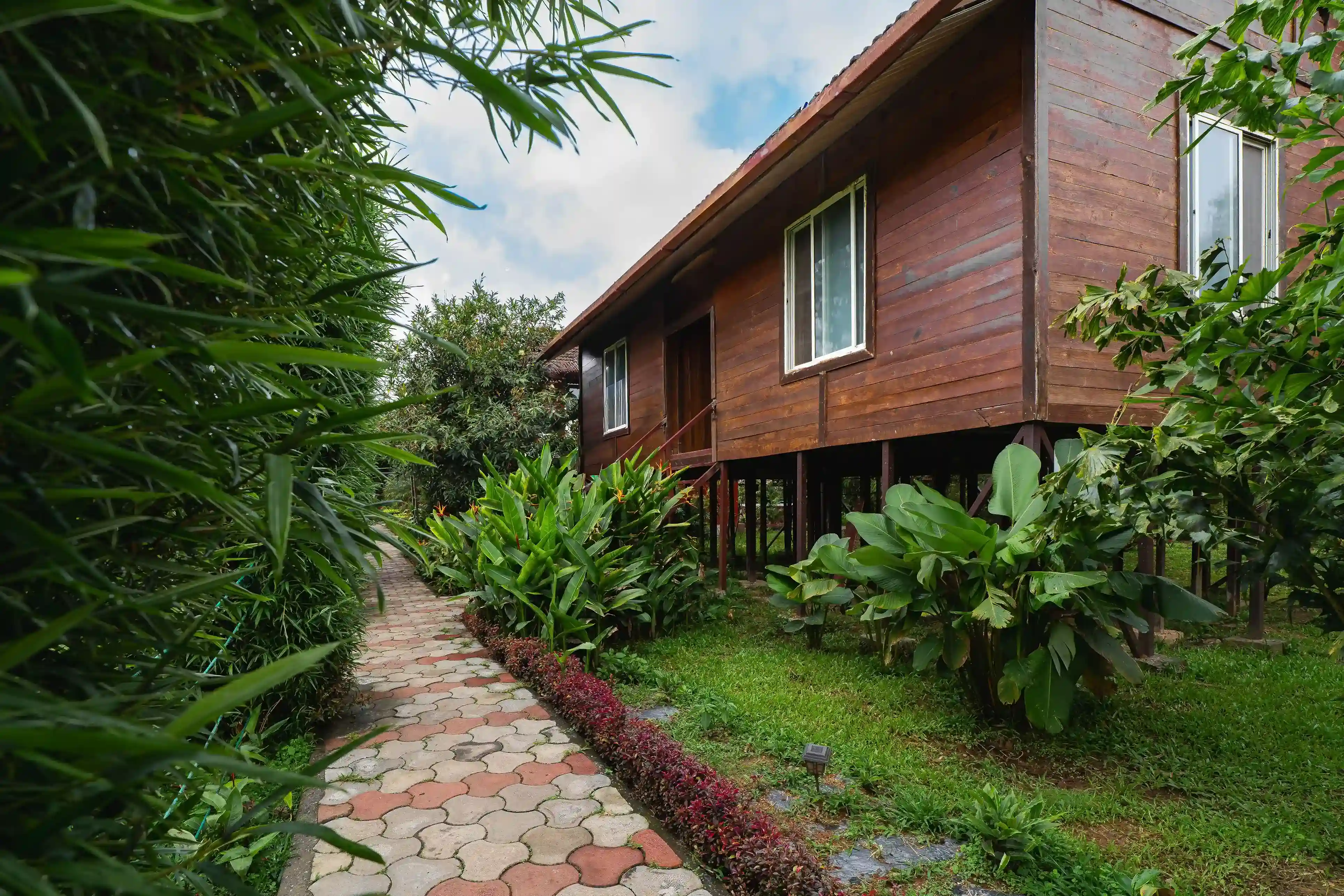
Because the outdoors is usable again, the calculation changes for Sakleshpur after monsoon. In monsoon you want covered space and backup power. For nature stays in Sakleshpur after the rain, prioritise differently:
• Position over polish. A property inside a working estate or facing a valley gives you the mornings you came for.
• Access to walking trails from the gate, not a 40-minute drive away.
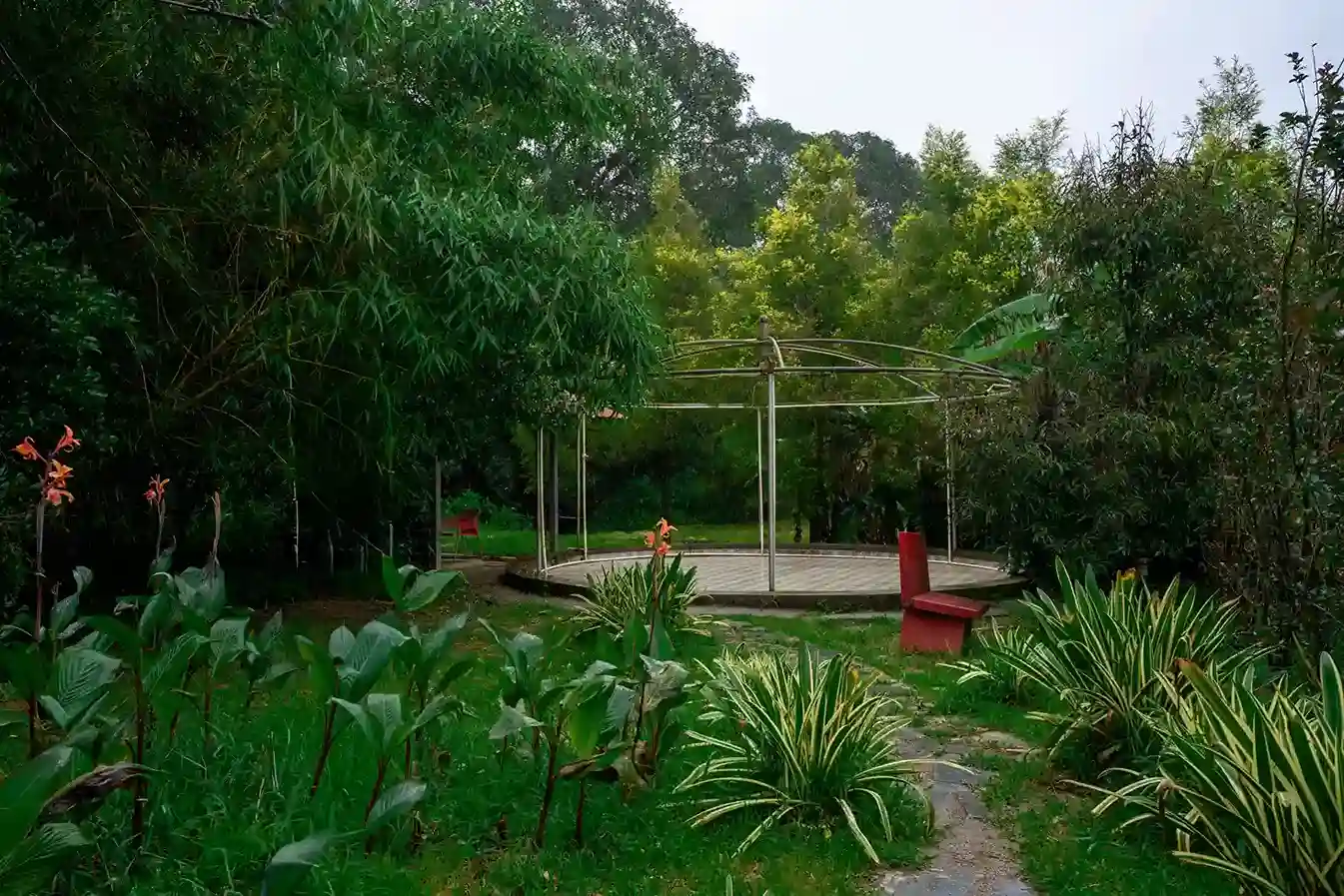
• Outdoor areas that actually get used: a deck, a bonfire pit, a place to sit at dawn with coffee.
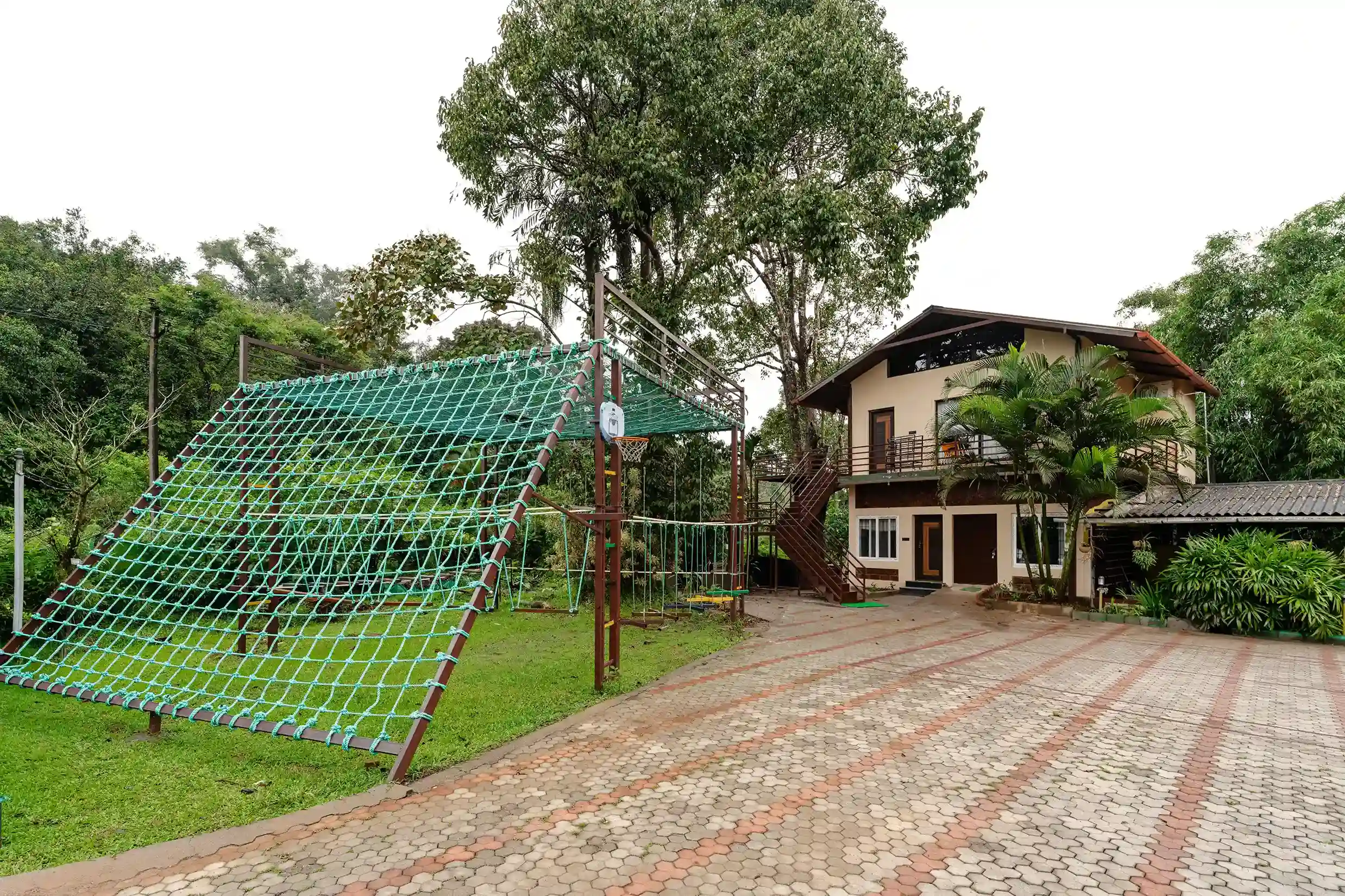
• Realistic room counts if you’re a group, since the good places are small and book out.
Indicative weekend rates for a comfortable room with meals in this region generally sit in the mid-thousands to around ten thousand rupees per night, rising over Christmas and New Year. Weekday stays cost noticeably less and feel completely different. Confirm inclusions directly, since meal plans and activity charges vary widely.
Book six to eight weeks ahead for a December weekend. Four weeks is usually enough for November, and October is still relaxed.
Frequently Asked Questions
When exactly does the monsoon end in Sakleshpur?
Usually through late September into mid-October, but it varies each year. Sakleshpur after monsoon isn’t a fixed date, so check recent conditions a week before travelling. October can still deliver heavy showers from the northeast system, particularly in the second half of the month.
Are leeches still a problem in October?
Far less. They fade over a few weeks once the ground starts drying, and by November they’re rarely an issue on estate paths. If you’re walking dense forest trails in early October, socks over trouser cuffs and a bit of salt are still sensible precautions.
Is October or November better for a first visit?
November, if you want reliable views and comfortable trekking. October, if you want the landscape at its greenest and can accept some rain. Both are good. November is simply the safer bet when you’ve only got one weekend, since it rarely gets washed out.
Do I need a four-wheel drive after the rains stop?
Usually not. Estate roads firm up considerably in Sakleshpur after monsoon, and most hatchbacks manage fine by November. Ground clearance still matters on unpaved final stretches, so check with your property about the specific approach route rather than assuming a smooth drive all the way in.
Conclusion
Sakleshpur after monsoon offers the version of these hills that photographs rarely capture during the rains: clear ridgelines at dawn, firmer trails, waterfalls still flowing, and estates in the middle of harvest. October keeps the drama and lush greenery. November and December bring more reliable conditions, comfortable days, and cool evenings suited to a bonfire. Choose the month that fits your plans, book ahead, and leave yourself at least one unhurried morning.
Streamedge Sakleshpur can help you compare stays and plan around your dates, group, and interests. To ask about availability and local details, send a message through the Streamedge Sakleshpur Instagram profile.